Option 1
You want a playful portrait clip or a visual hook
Consider a Dreamface-style animation.
A still image can become the focus of a short creative sequence. Judge the result by how it looks and whether the person depicted has consented.
Creative video guide
If you are asking what is the dreamface app, think of Dreamface as a creative tool associated with turning portrait images into animated, short-form video. This guide separates that basic idea from questions about what a particular tool or workflow can actually deliver. The creation service reached through the button below is separate from Dreamface, so check its current features before starting a project.
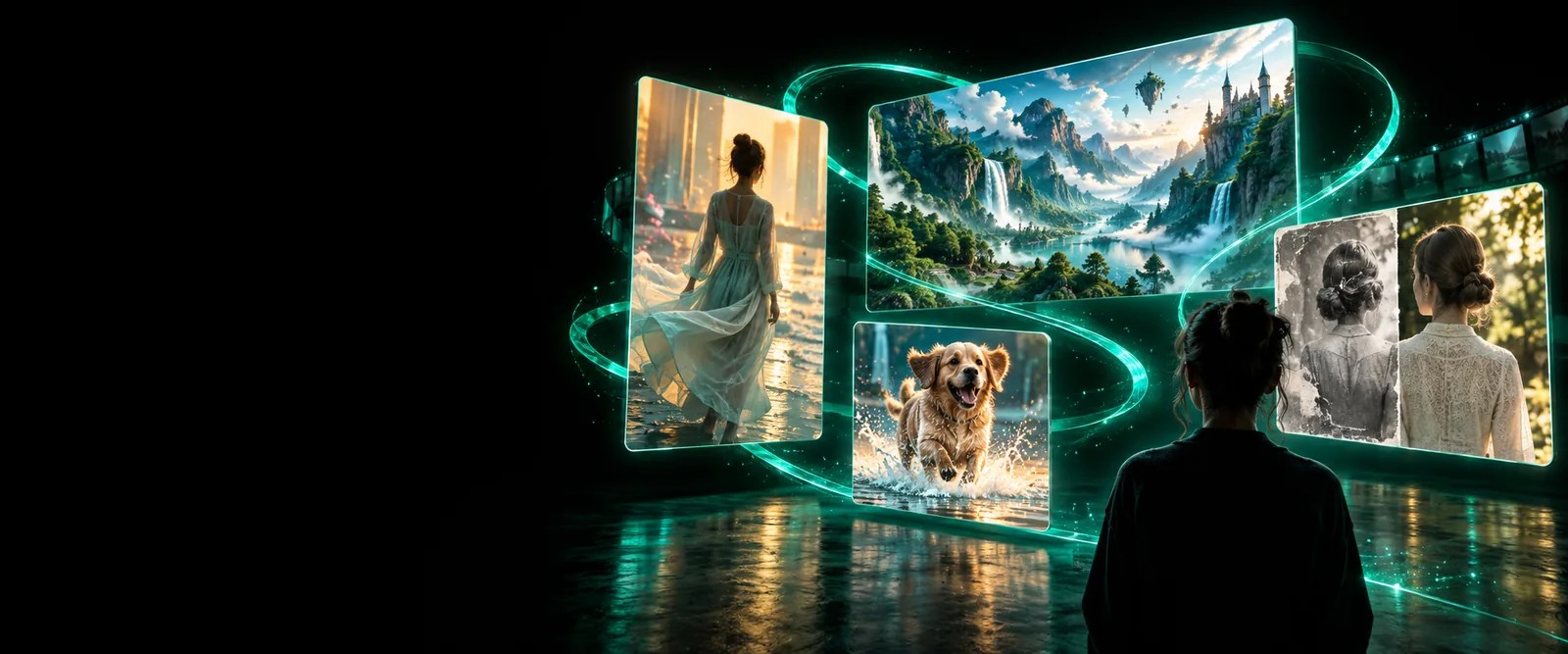
Dreamface is best understood as an AI-assisted portrait-animation and video-creation concept, not as a replacement for filming or editing every kind of video.
The exact controls depend on the service and version you use. At a high level, the process moves from a suitable image to an animated result that needs a human review.
Start with a clear image in which the face is visible. Check that you own the image or have permission to use it, especially if it shows another person.
Decide whether the goal is a speaking, singing, or simply animated portrait. Available inputs and effects vary, so inspect the controls in the tool you actually open.
Watch for unnatural mouth movement, distorted features, or a message that could mislead viewers. Revise the source material or presentation rather than treating the first result as final.
The useful distinction is between an expressive visual effect and a faithful record of a real event.
Option 1
Consider a Dreamface-style animation.
A still image can become the focus of a short creative sequence. Judge the result by how it looks and whether the person depicted has consented.
Option 2
Use an authentic recording instead.
Animated lips and generated audio are not evidence of a real statement. Label synthetic or staged material clearly when viewers might mistake it for footage.
Option 3
Plan for separate editing and review.
A portrait effect is only one part of a video. Script structure, captions, sound levels, and publishing checks still need attention.
If the definition answers only part of your question, these guides narrow the focus to a specific workflow or publishing goal.
A little preparation makes it easier to assess a tool without assuming that every Dreamface-related workflow accepts the same inputs.
An image you own or are authorized to use — Permission matters even for a brief experiment.
Consent from any recognizable person depicted — Avoid making someone appear to speak without their agreement.
A clear purpose for the clip — Decide whether you need a joke, an introduction, or another creative effect.
A draft script or audio ideaoptional — Prepare this if the workflow you choose supports speech or sound.
Time to inspect and edit the result — Check both visual quality and how viewers may interpret the clip.
Dreamface-style content is most useful when the animated portrait serves a clear creative purpose rather than standing in for a real recording.
A creator might use a portrait animation as an opening visual, then add context, captions, and original editing. The effect works best when viewers can tell it is a creative treatment.
An illustrated character or consenting presenter can introduce a fictional scene. A written script helps keep the message coherent even when the facial animation is imperfect.
People may experiment with images of themselves or consenting friends for a lighthearted clip. Sensitive photos and images of people who cannot consent call for extra care.
Now that you know what the Dreamface app refers to, you can explore a separate video creation service. Check its supported inputs, current features, and terms before uploading an image; this link does not open Dreamface.
Dreamface is associated with AI-assisted animated portraits and short video effects. It is a creative way to present an image in motion, not a way to document what a person actually said or did.
The name is often sought in connection with portrait animation and video creation. Whether a particular version covers your whole editing workflow depends on its current features, so check those directly before planning a finished production.
Have a usable portrait and permission to use it, plus consent from anyone recognizable in the image. If your idea involves speech, prepare what you want the character to say and plan to review the result carefully.
Yes. Viewers may read moving lips or a familiar face as evidence of real speech, especially without context. Make the creative nature of the clip clear and do not attribute invented statements to a real person.