Talking-portrait planner
You have a still portrait and want to assess whether synchronized speech is the right direction.
Define the voice and visual goal first; then check which controls are actually available at the destination.
Video creation
Use this page to frame a video idea before you follow the online handoff. Dreamface features and controls may differ from what you expect, so check the destination before committing to a workflow.
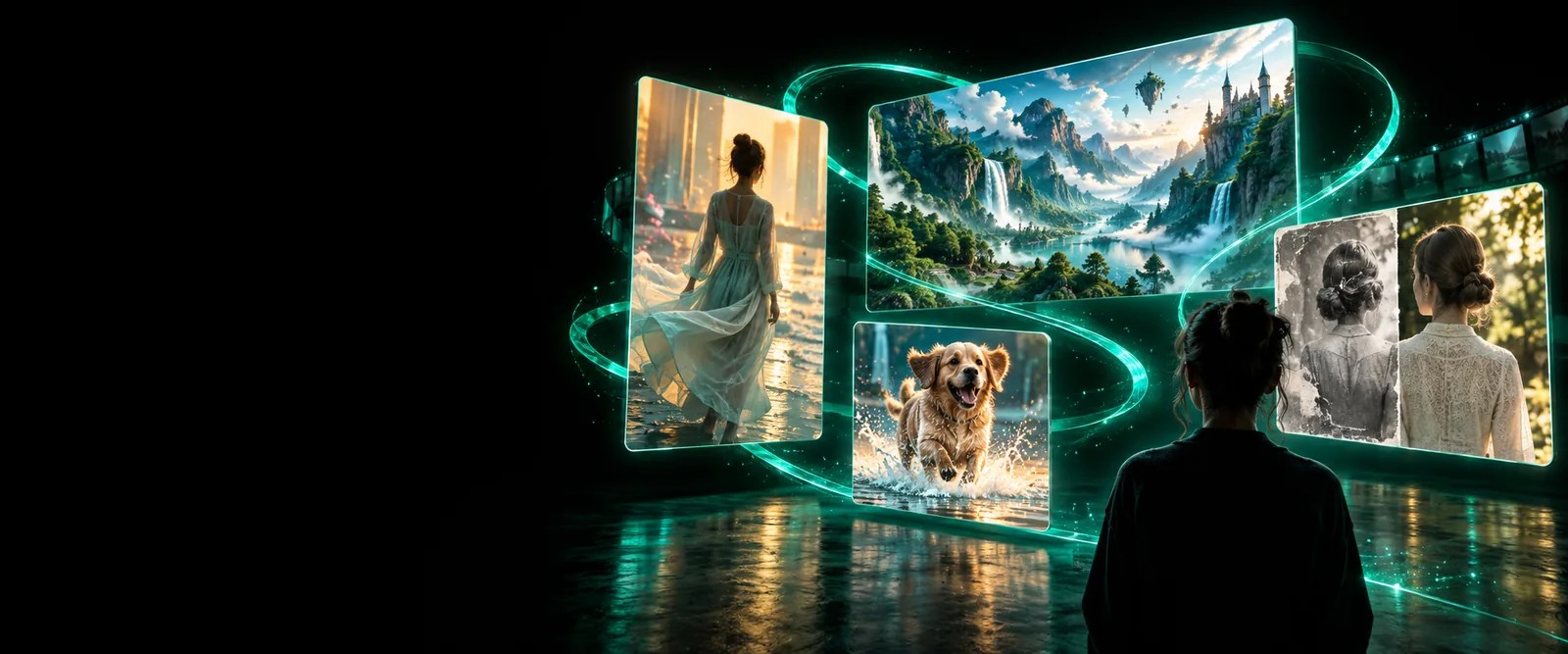
An online-focused search starts with a clip to make. A general Dreamface search may begin with a broader question about the app or its capabilities.
You have a still portrait and want to assess whether synchronized speech is the right direction.
Define the voice and visual goal first; then check which controls are actually available at the destination.
You are outlining a clip for a channel and need to think beyond the initial generation step.
Plan the opening, edit, and publication checks separately from any online creation tool.
You want to see a worked approach before trying to turn an idea into a video.
Follow a preparation workflow, then compare its steps with the interface you actually find.
This comparison is about the purpose of each search, not a promise that the two routes expose different product features.
| Online video starting point | General Dreamface starting point | |
|---|---|---|
| Starting question | What clip am I trying to make? | What is Dreamface, and what can it do? |
| Useful input to prepare | A subject, scene, and intended message. | A list of capabilities you want to investigate. |
| First decision | Whether the available workflow fits your clip. | Whether the product fits your broader goal. |
| Audience | Someone with a specific video idea. | Someone still comparing possible uses. |
| Output check | Review the resulting clip against your brief, if generation is available. | Confirm supported tools and examples before choosing a workflow. |
| Unverified details | Formats, access terms, and creation controls require checking at the destination. | The same details require checking before relying on a feature. |
Only this online-focused approach begins with a particular video brief. These are planning moves, not exclusive Dreamface product features.
Portrait clip
For a portrait-led idea, write down who appears, what they communicate, and how natural the result needs to look. This gives you a concrete standard for evaluating any video workflow you find.
Social short
An online video idea for social media needs a clear first shot and one main point. Keep the brief narrow enough that you can judge whether a generated clip serves the message.
Explainer
For an explainer, map the introduction, example, and closing point before exploring Dreamface. That outline remains useful even if the destination offers a different set of creation options than expected.
Prepare the brief here, then use the handoff to inspect the available creation flow. Treat the destination's current interface as the source of truth.
A clear description of the clip's subject, action, and intended audience. — A specific brief makes it easier to judge whether the available tool fits.
Permission to use any portrait, voice, or other source material you plan to provide. — Do not upload someone else's likeness or audio without appropriate rights.
Time to inspect supported inputs, output options, and access terms at the partner site. — This page cannot verify those details for the destination.
A short script or shot outline.optional — Useful when your online video needs a specific message.
A plan to review and edit the result before publication.optional — Especially useful for factual, branded, or public-facing clips.
This route helps you prepare and navigate; it does not establish what the partner tool can produce.
An online search term does not prove that every creation step runs in a browser or that a particular device is supported.
What to do instead
Check the destination's current device and workflow requirements before preparing assets.
Format, length, resolution, and available controls are not confirmed by this page.
What to do instead
Inspect the tool's options and test whether they meet your publishing requirements.
A generated clip may still need permission checks, factual review, disclosure, or editing.
What to do instead
Use materials you are entitled to use and review the finished video before sharing it.
You have a subject, a purpose, and a way to evaluate the result. Continue to the partner site to see which creation options are currently available; do not assume your draft will be carried across automatically.
It signals that you want a video-creation starting point rather than a general product definition. This page helps you prepare a brief, but you should verify the actual workflow and available tools at the destination.
This page does not confirm a browser-only creation process. Check the partner site's current interface and device requirements before assuming you can complete every step online.
Describe the subject, the action, and the message you want the clip to convey. If the video includes speech, a short script can make it easier to assess whether the available workflow suits your idea.
Do not rely on automatic prompt transfer. Keep a copy of your brief so you can enter or adapt it to the fields the destination actually provides.
Review the clip for accuracy, visual problems, and the rights associated with any likeness or audio you used. Also check the rules of the platform where you intend to publish it.